

The phrase “direct trade” has become familiar enough in specialty coffee marketing that it risks losing its meaning — another label attached to products whose supply chains may or may not live up to the transparency and equity the term implies. In Papua New Guinea, where the geographic, cultural, and logistical barriers to genuine direct engagement are higher than in most coffee origins, direct sourcing that deserves the name is a genuine and consequential commitment whose impact on highland communities is measurably different from conventional commodity purchasing.
The economic impact begins with price. Specialty green coffee purchased through direct sourcing relationships commands premiums over the New York C market price that range, for quality Papua New Guinea lots, from fifty to two hundred percent above the commodity benchmark. These premiums, when they flow through the supply chain to cooperatives and individual farmers, translate into income increases of significant practical magnitude in communities where average household cash incomes from coffee are modest. A farmer whose cherries are selected, separately processed, and sold as a specialty lot rather than blended into commodity production may receive double or triple the per-kilogram price — a difference that can fund a child’s school fees, cover a medical emergency, or support investment in farm improvement that generates long-term quality and income benefits.
The timing of payment matters as much as the amount. Commodity coffee purchasing typically operates on terms where farmers receive payment weeks or months after delivering their cherries to collection points, sometimes in installments that extend the payment window further. Direct sourcing relationships that include advance payments — funds provided to cooperatives before or at the beginning of the harvest season — give farming communities access to working capital that allows them to manage harvest costs and household expenses without resorting to informal lenders whose rates can be exploitive. The liquidity benefit of advance payment arrangements is, for many highland communities, as valuable as the price premium itself.
Technical assistance provided through direct sourcing relationships creates human capital improvements that persist beyond any individual purchasing season. When a specialty importer’s sourcing team visits a Papua New Guinea cooperative to work on fermentation protocols, cherry selection standards, or drying management practices, they are transferring knowledge that improves processing quality — and therefore income-earning potential — permanently. The cooperative staff member who learns to use a refractometer to monitor fermentation sugar levels, or who understands why consistent cherry intake sorting improves their cupping scores, carries that knowledge into every subsequent harvest season regardless of which buyer ultimately purchases their production.
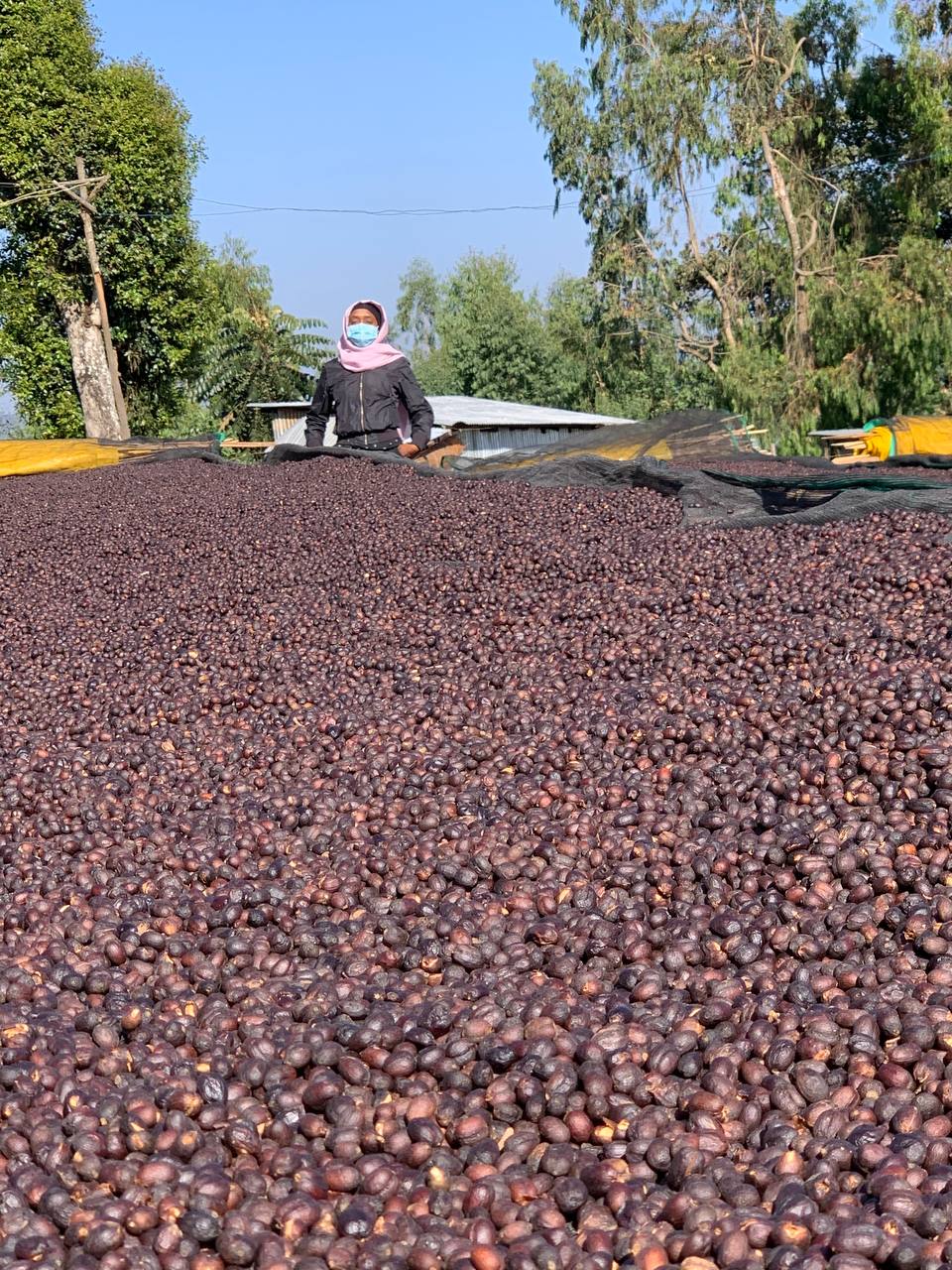
Infrastructure investment, enabled by the premium revenues that direct sourcing generates, creates physical improvements to processing facilities that benefit entire farming communities. Raised drying beds that improve green bean quality. Shade structures that protect drying coffee from the afternoon rains that can ruin a batch. Improved cherry sorting tables that make quality assessment faster and more accurate. Water treatment systems that reduce the environmental impact of wet mill wastewater. These investments would be economically inaccessible on commodity pricing; on specialty premiums, they become viable, multiplying the quality and income benefits of direct sourcing across the community over time.
The visibility that direct sourcing provides to highland farming communities in international specialty coffee markets carries its own transformative power. When a roaster in Berlin or Melbourne features a named Papua New Guinea cooperative’s coffee on their menu with the farmers’ story, the community’s photo, and the specific details of their growing and processing practices — and when that story reaches coffee enthusiasts who connect with it and develop ongoing loyalty to that origin — the community gains something that goes beyond the financial: recognition, dignity, and a sense of connection to the global community of people who value what they produce. That recognition matters to highland farmers in ways that commodity market anonymity never could.